Lincoln County, SD: Where Community Roots Run Deep and Futures Grow Bright

Lincoln County, South Dakota blends rolling plains, rich history, and a neighborly spirit that feels like home from the moment you arrive. Whether you're exploring charming towns or planning your next chapter, Lincoln County offers the perfect mix of peace, purpose, and possibility.

County Info

Lincoln County, SD: Where History Lives, Nature Calls, and Opportunity Grows

Nestled in the southeastern corner of South Dakota, Lincoln County offers a rich tapestry of history that continues to shape its vibrant present. Originally established in 1867 and named after President Abraham Lincoln, the county played a vital role in the development of South Dakota’s agricultural and railroad expansion in the 19th century. Historic communities like Canton boast beautifully preserved architecture, while landmarks such as the Newton Hills State Park and the Canton Depot Museum offer visitors a window into the area’s storied past. Walking through these historic towns feels like stepping into a living museum—charming, well-loved, and deeply rooted in Midwestern resilience.

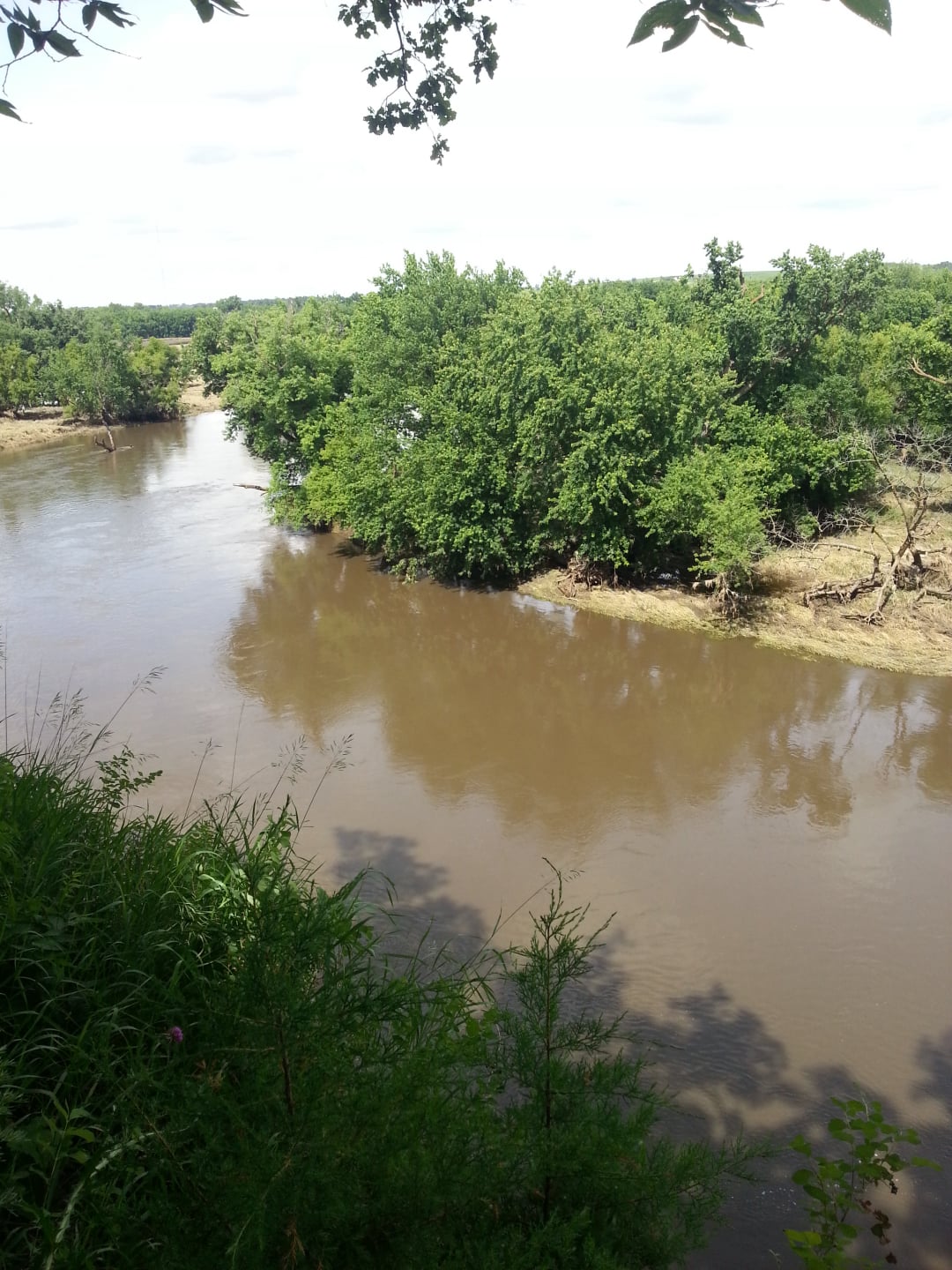
Beyond its historic charm, Lincoln County is a visual delight for outdoor enthusiasts and nature lovers. The gently rolling hills, lush river valleys, and sweeping prairies create a postcard-worthy landscape year-round. The Big Sioux River snakes through the county, offering serene kayaking and fishing spots, while parks like Lake Alvin and Newton Hills provide ample opportunities for hiking, camping, and birdwatching. In every season, the scenery transforms—from wildflower-dotted trails in spring to vibrant autumn forests and peaceful snow-covered trails in winter. Whether you're an adventure seeker or someone who simply appreciates a quiet walk in nature, Lincoln County’s landscape invites exploration.

But what truly sets Lincoln County apart is its strong sense of community and rich cultural life. The county celebrates its heritage and diversity through local festivals like Canton’s Big Sioux River Folk Festival and the Harrisburg Days summer celebration. Art galleries, theater productions, and live music events thrive thanks to a growing creative community. Families find support through top-rated schools and a forward-thinking public library system, while the presence of nearby universities and colleges helps nurture a dynamic learning environment. It’s a place where new neighbors become friends, and community values run deep.

For those looking to relocate, Lincoln County offers not just beauty and charm, but also opportunity. The region has seen consistent population growth thanks to its strong economy, proximity to Sioux Falls, and investment in infrastructure and small business development. Industries ranging from healthcare and education to manufacturing and agribusiness provide a diverse job market, while modern amenities like healthcare facilities, high-speed internet, and a growing restaurant and retail scene make life comfortable and connected. Affordable housing and new developments offer options for every lifestyle—from rural acreage to new subdivisions in growing towns like Tea and Harrisburg.

Whether you're searching for your next outdoor getaway or a peaceful place to plant roots, Lincoln County, South Dakota, offers the best of both worlds. With its historical charm, natural splendor, rich cultural life, and growing economic promise, it’s a county that feels both timeless and full of potential. Come visit and you may just decide to stay.

Resources
Lincoln County Historical Society – (605) 764-5476 – www.lincolncountyhistory.org

Newton Hills State Park – (605) 987-2263 – gfp.sd.gov/parks

Southeast South Dakota Tourism Association – (605) 665-2435 – www.southeastsouthdakota.com

Harrisburg Economic Development Corporation – (605) 767-5011 – www.harrisburgsd.gov/economic-development
Canton Public Library – (605) 987-5831 – www.cantonpubliclibrary.org

County Statistics

1867

Year Established

70,000

Population

578

Land (sq miles)

2.5

Water (sq miles)

Point Of Interest

Blood Run: The Ancient Heartbeat of America's Midwest

Nestled at the border where Iowa and South Dakota meet, the Blood Run site whispers tales of ancient civilizations, sacred earthworks, and a continuum of human history that stretches back over 8,500 years. This land, marked by the iron-stained soil from which it draws its name, serves not only as a monument to the past but also as a testament to the enduring spirit of the native cultures that thrived along the banks of the Big Sioux River.

The narrative of Blood Run is as rich and varied as the cultures that have called it home. Originally settled by the Oneota culture, the site became a bustling community for descendant tribes such as the Ioway, Otoe, Missouri, and was later shared with the Quapaw, Kansa, Osage, and Omaha peoples. This area was a confluence of life, trade, and spiritual activity, evidenced by the extensive earthworks, including civic, ceremonial, effigy, and burial mounds that dot the landscape. Among these was a remarkable snake mound, stretching over 1.25 miles, rivaling the famed Serpent Mound of Ohio, yet tragically destroyed in the 1930s to serve as railroad fill.

The significance of Blood Run extends beyond its physical remnants. Historical documents, including maps drawn by French voyageurs in the 18th century, depict a vibrant, populated area, home to a diverse community of 10,000 Native people at its zenith. It was a place of convergence for various tribes, including the Arikara, Dakota, and Cheyenne, who were drawn to Blood Run for trade and fellowship. Despite the passage of time and the challenges of preservation, 78 mounds still exist today, mainly serving as burial sites, silent guardians of the stories and spirits of those who built them.

Preservation efforts have been both a challenge and a priority. Declared a National Historic Landmark in 1970, Blood Run's integrity faces threats from gravel quarrying and looting. Yet, the dedication of individuals and organizations has shone through. Notably, in 1987, the State of Iowa acquired a portion of the site for a state park, and in January 2003, the State of South Dakota followed suit, acquiring land for park development, ensuring that the history and sanctity of Blood Run are honored and protected.

The story of Blood Run is a poignant reminder of the deep connection between the land and its people, a place where past and present meet. It serves as a bridge between cultures, a living museum where the echoes of ancient footsteps can still be heard among the mounds and earthworks. It's a call to all who visit to remember and respect the complex tapestry of human history that has shaped not just the Midwest but the entire continent.

As the Blood Run site continues to be explored and understood, it stands as a beacon of cultural heritage and archaeological significance. It invites us to look back with reverence at the civilizations that have preceded us, acknowledging their contributions to our collective history and the enduring legacy they have left behind. In the rolling hills and along the riverbanks of Blood Run, the heart of America's Midwest beats strong, carrying the stories of thousands of years within its soil.


WEATHER

LINCOLN COUNTY WEATHER

County Map

Visit The Sponsor(s) of this site. (Click On ad below)

LincolnCountySDGuide.com

Business Directory / County Guide


This site is owned and maintained by Advertising On Main Inc